
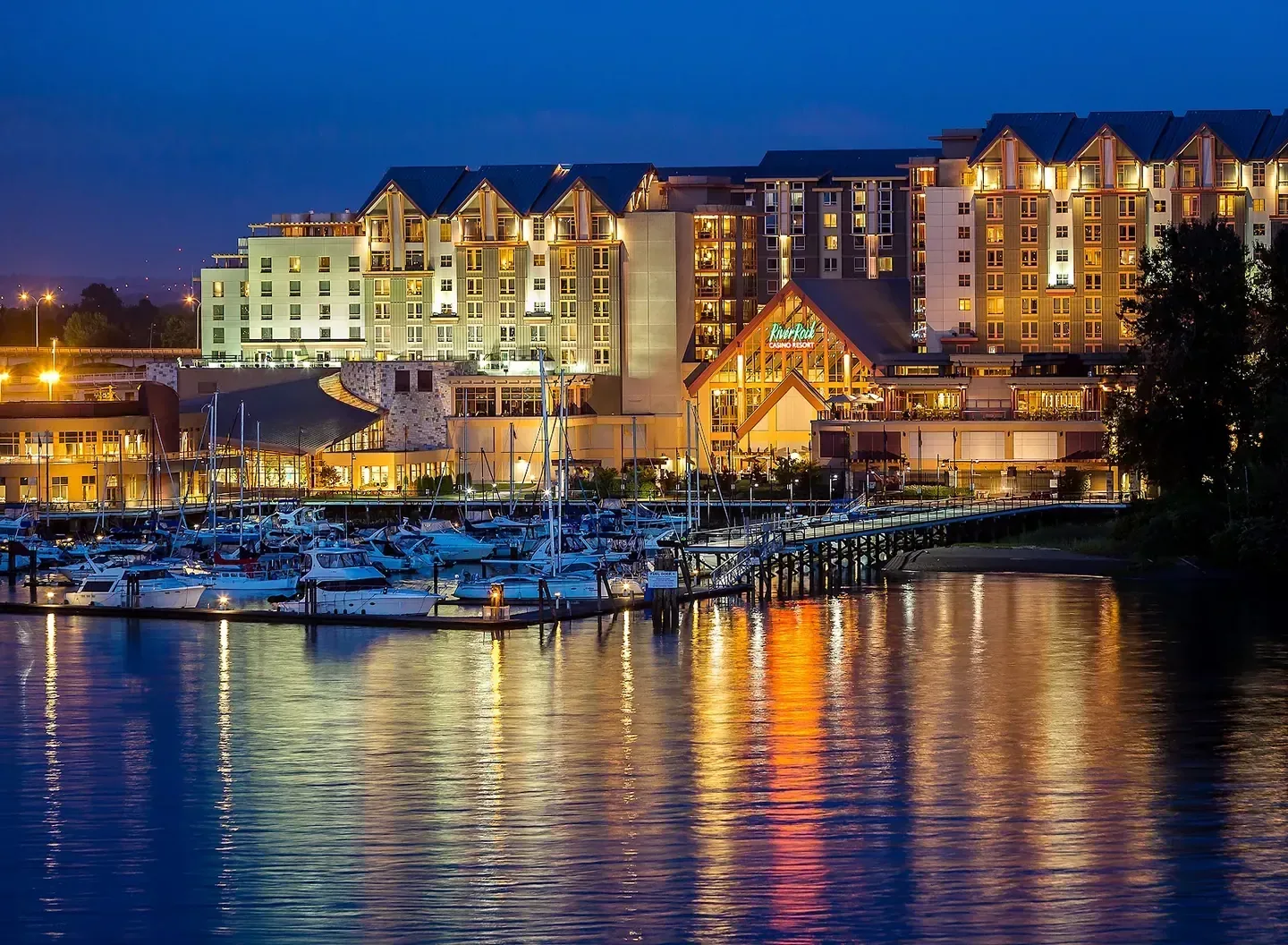
In the City
Properties inside or beside a city centre, weighed by what is within walking distance of the door.
Enter In the City →This site presents hospitality information independently. It does not manage bookings, availability, payments or guest services — those are handled by the official providers.
Royal Arrival is an editorial guide to nine real properties — from a five-star historic house on the St. Lawrence to a three-star resort in the foothills. Each entry describes the setting, the rooms, the dining and the neighbourhood in the same plain structure, and then hands the reader to the property’s own official listing page. Nothing on this site is for sale; everything on it is for reading.
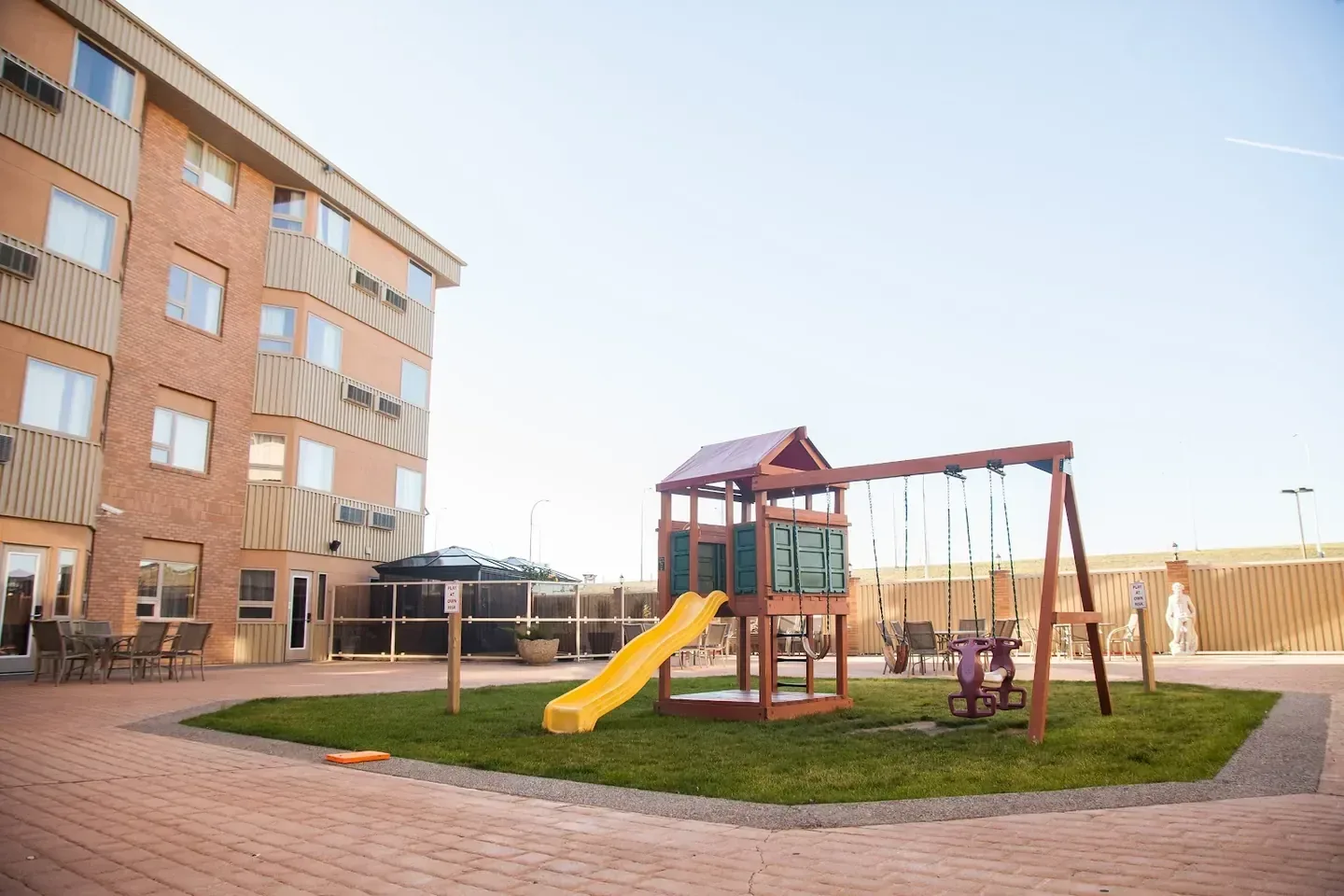
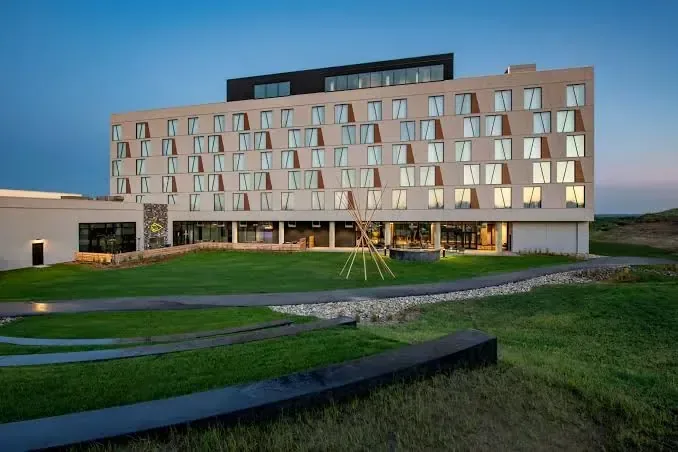
The guide is organised the way a shortlist is: by the kind of stay you are after, not by a ranking. Start with the shape that fits the trip.
Properties inside or beside a city centre, weighed by what is within walking distance of the door.
Enter In the City →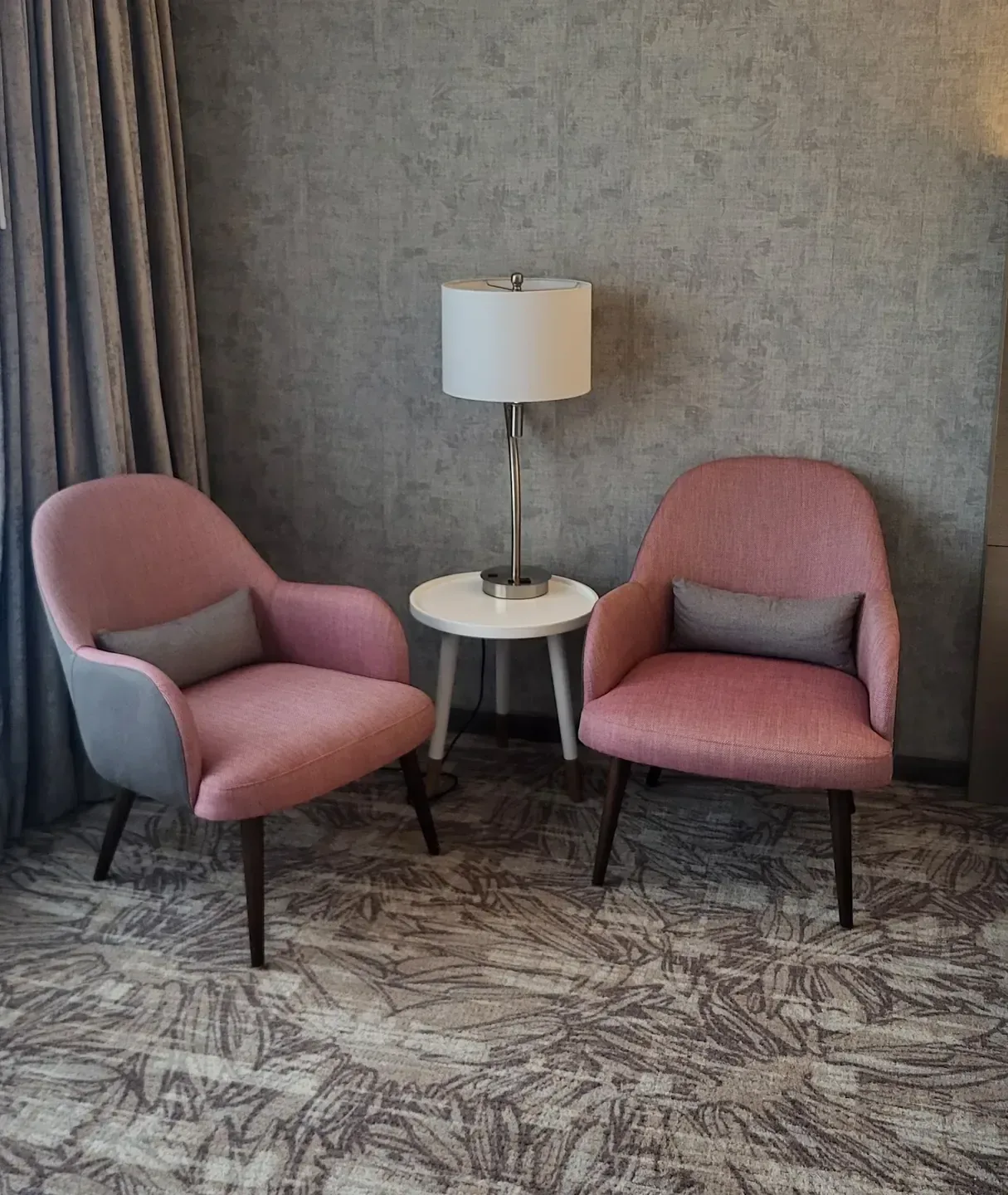
Smaller, less obvious properties that stand out for their setting and character rather than their scale.
Enter The Quiet List →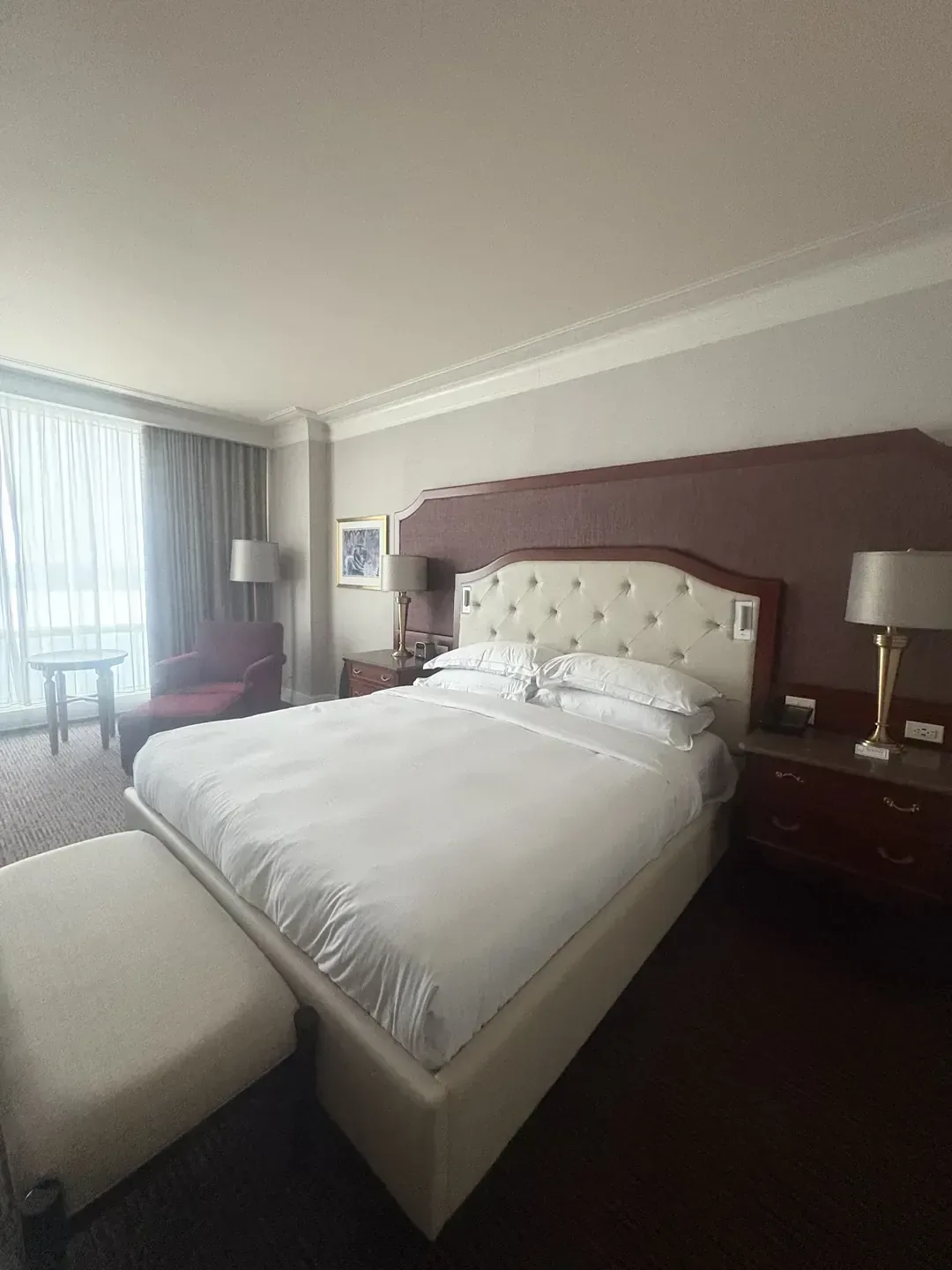
A rotating selection of highlights across the whole guide, presented for information rather than as a ranking.
Enter Featured Highlights →Every property in the guide is described through the same four parts of the experience. The structure is fixed; the content changes with the property.
Every entry starts with the place itself: the character of the rooms, the scale of the property and how the building sits in its setting. The description is written from the property’s own profile, never from a review.
Each property’s food and drink is described as part of the stay — what the building offers on the plate, and how the dining space fits the day. Where the profile names nothing, the entry simply says so.
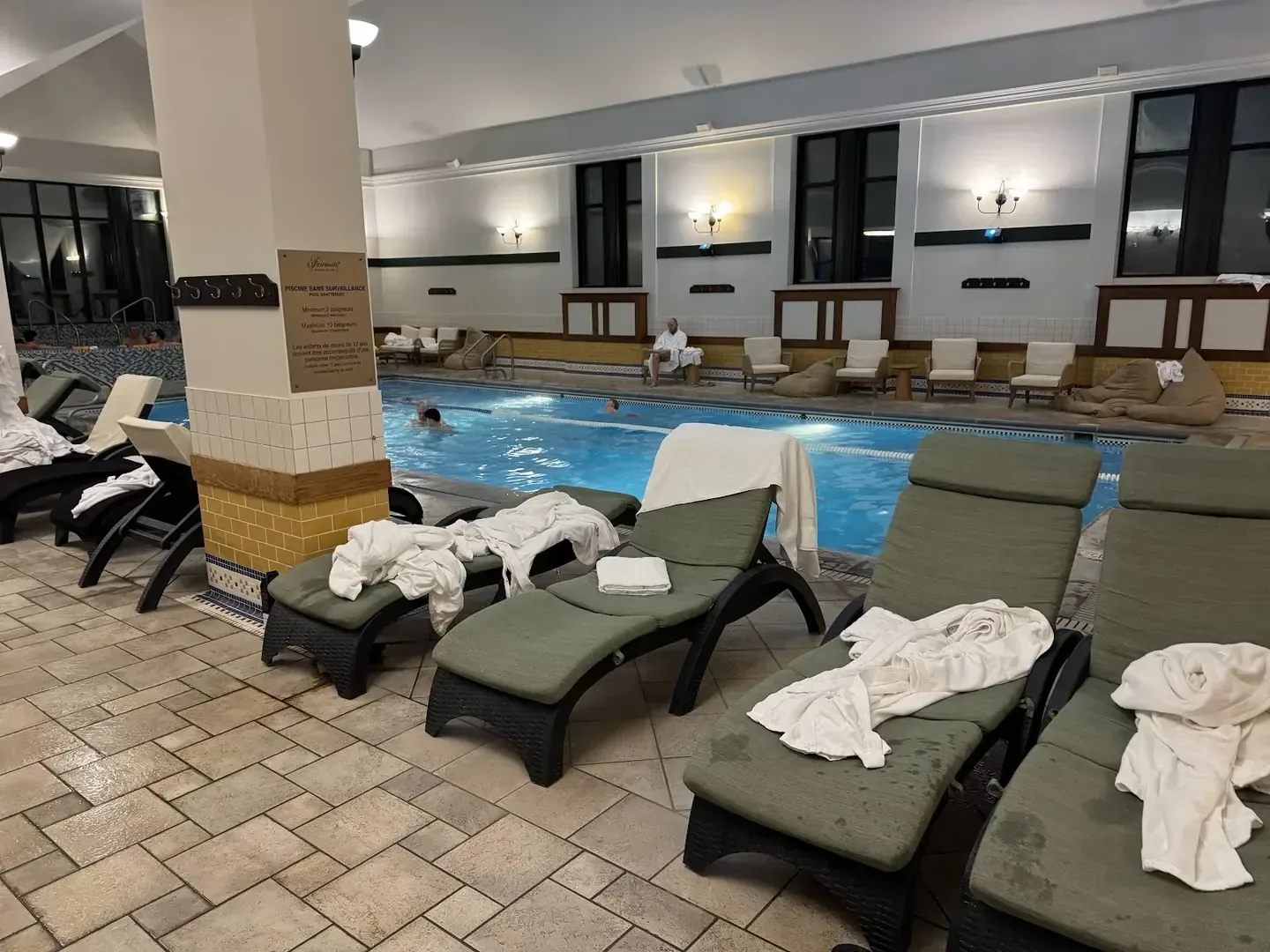
Where a property carries a pool, spa or gym, the entry names it and says plainly what it is for. Where it does not, the entry moves on — absence is reported the same way as presence.
Lobbies, corridors, casino floors, terraces: the shared parts of a property are where a stay is actually felt. Entries describe these spaces the way a visitor would walk them.
Six regions, all drawn from the properties in the guide. Each one has a character of its own, and the entries lean on it.
A working city that runs on transit, with the mountains close enough to change the light.
Water on both sides of the mainland: ferries, inlets and the long low weather of the Pacific.
The river bend where Gatineau’s quieter shore faces the federal city across the water.
A long, narrow arm of the St. Lawrence that runs deep into the Quebec shoreline.
Kananaskis country, where the plains give way to forest, rivers and ski country.
Open plains and small towns, from Medicine Hat to Whitecap, with the sky doing the decorating.
A short stay is judged in its first ten minutes. These are the habits of the guide, in the order it uses them.
Every entry opens with where the property is and what stands around it. The setting is the first fact, before the beds, the food or the floor plan.
A three-star and a five-star are different promises, and the guide says which one each property makes. Nothing above the supplied class is ever claimed.
Lobbies, public rooms and the casino floor are described first, because that is what a guest actually touches before reaching a room.
When an entry ends, the official listing page begins. That is where dates, rooms and confirmations live; the guide’s part is finished.
I use the guide the way a map is meant to be used: every property is written the same way, so nothing feels oversold and nothing needs selling. That consistency is the whole point.Noelle C.
What saves me time is the exit: an entry ends, and the next step is the property’s own listing page. No middleman, no second table of details, no re-reading the same facts twice.Adrian B.
I read these entries for what a property actually offers, and the descriptions stay plain about it. If something is not stated, I take it as not being there.Nathaniel W.